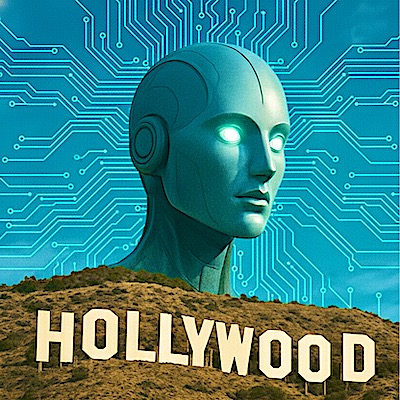
When Disney inks a $1 billion investment in OpenAI and licenses more than 200 of its iconic characters to the Sora generative-AI platform, we’re not observing a novelty - we’re witnessing a tectonic shift in the entertainment economy. The partnership signals Hollywood’s pivot from fearful resistance to strategic collaboration, even as unions and creatives still push back. At first glance, the benefits seem obvious: major studios and AI developers stand to monetize new forms of storytelling and intellectual property. Disney gains a foothold in user-generated AI content and expands its market; OpenAI gains brand association, equity potential, and legal cover against copyright fights. But look closer: these are entities with capital, IP portfolios, and strategic incentives to reshape norms around content creation and ownership. They gain economic leverage and cultural influence - essentially redefining who gets to make stories, and how. Meanwhile, individual creators - actors, writers, animators, and background artists - find themselves bargaining for guardrails and compensation rather than participation in ownership of the underlying technology. This is not just money at stake; it’s control of cultural means of production. When a machine-generated “actress” like Tilly Norwood ignites industry backlash, coverage often features studio executives and union statements - and very rarely the actual consumers of art, independent creators, or non-Hollywood artists whose work trains these models. Absent too are granular views from behind-the-scenes labor: digital artists, effects teams, data labelers, and AI engineers whose labor drives this transformation but who aren’t unionized or often quoted in mainstream reporting. Likewise omitted are perspectives from global storytellers - filmmakers outside the Hollywood system - whose cultural norms and ethical concerns about AI differ markedly from American industry priorities. Neutral framing would acknowledge:
• AI as a suite of computational techniques enabling pattern prediction and synthesis,
• Creators as those legally and ethically credited for content,
• Economic incentives as distinct from artistic value. Reframing in neutral terms opens the space for more honest debate about trade-offs between efficiency and human authorship without slanting toward hype or fear. Hollywood has faced technological upheavals before - sound, color, television, digital effects, streaming. Each generated anxiety, job displacement, and ultimately new forms of production ecology. In the 1920s, when talkies displaced silent film stars, the industry restructured; in the 1990s, digital tools transformed visual effects workflows. AI is another phase in a longer arc of automation and media convergence. Unions fought hard in 2023 to secure protections around AI training and reproduction of work - a saga that didn’t vanish but morphed into ongoing negotiations. Mainstream reporting privileges voices from studios, corporate spokespeople, and union leadership. The studios’ narrative is AI as opportunity and efficiency; unions present AI as risk to jobs and human uniqueness. Independent creators, global communities, and non-union laborers are often missing, meaning the dominant narrative admires institutional authority, not necessarily representational truth. Zoom out and this becomes not just an entertainment story but part of the broader labor–technology contract that shapes 21st-century work. Film is an early indicator of tensions we will see in law, medicine, software, and education - where automation competes with traditional expertise. Plainly: Hollywood is in negotiation and conflict over AI’s role. Major studios are investing in AI platforms; unions are securing protections; debates rage over synthetic talent and creative ownership. The headlines emphasize economic deals and existential questions, rarely balancing with deep analytical data. The Hollywood–AI relationship is neither hero nor villain, but a complex negotiation between power structures, economic incentives, human creativity, and public imagination. As audiences and citizens, recognizing who gets to tell stories - and under what terms - may matter as much as which characters appear on screen.