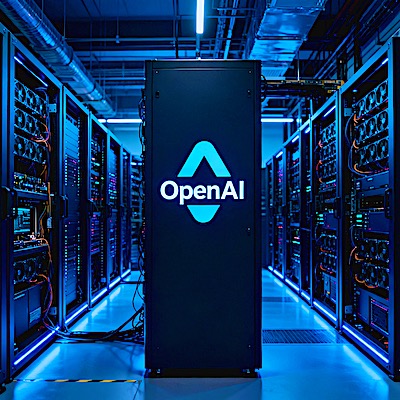
Lately, there’s been a massive increase in funding for building data centers to support AI infrastructure. In the U.S. alone, secured debt for AI data centers more than doubled in 2025, hitting $25.4 billion — a 112% jump from the previous year and a whopping 1,800% increase since 2022. Many experts predict that global spending on AI-related data centers will hit around $3 trillion by 2028, with about half needing outside financing like bonds and private credit. This funding surge brings up some tough questions about what’s being built and at what cost. Who benefits? On the surface, big tech companies seem to be leading the charge; behind the scenes, investors, debt funds, and real-estate financiers might be cashing in. Most of the early profits might go to those handling the debt, not the AI developers or users. What’s not being talked about? Headlines often focus on growth and innovation, but rarely mention concerns about energy use, community impact, or environmental sustainability. Many data-center projects are financed on speculation, before securing long-term tenants or stable workloads. This could lead to huge capacity — empty fiber-optic highways waiting for traffic. The language used — “data-center boom,” “AI infrastructure build-out,” “investment surge” — makes it sound like inevitable progress. But these terms can hide the financial risks and speculative nature of these commitments. They treat “infrastructure” as a public good rather than a risky financial bet, shifting the focus from risk to inevitability. Historically, this pattern should raise red flags. Similar debt-fueled infrastructure races, like the late 1990s fiber-optic build-out or earlier telecom and real-estate bubbles, ended in painful corrections and bankruptcies. The momentum behind AI data centers mirrors those past booms: overcommitment, speculative demand, and a strong belief in transformative promise. Whose truth is shaping the public narrative? Mostly corporate spokespeople, debt-market analysts, and infrastructure investment lobbyists; independent audits, community voices, and neutral demand analysis are rare. The financing structures — ABS, CMBS, private credit — are often unclear; public data lags behind the build-out pace. What evidence do we really have? Right now, just numbers: debt issuance, financial projections, and capital-expenditure plans. What’s missing: public data on usage rates, long-term energy and maintenance costs, actual revenue from AI workloads, and tenant turnover rates — basically, solid proof that the massive investment will lead to sustainable returns. The emotional framing adds to the risk. The hype — “once-in-a-generation AI infrastructure build,” “race to lead the AI world,” “transformative technology for decades” — can lure investors, regulators, and the public. This optimism can sideline critical critique and downplay uncertainty. If you flip the story — imagine debt funds are pushing speculative data-center financing in a sector without real demand — the tone shifts from excitement to caution, from opportunity to risk. This change shows how much the current narrative relies on faith in unproven demand and returns. Looking at the bigger picture, this isn’t just about data centers or AI. It’s about the changing face of global finance, the growing reliance on debt-financed infrastructure, and the potential for systemic risk across credit markets, real estate, energy grids, and more. If the boom succeeds, we might see real AI-driven transformation. If it fails, we could face a wave of defaults, stranded assets, and broader economic pain — with effects lasting for decades. In 5, 50, or 100 years — will this period be remembered as the time when humanity laid the digital groundwork for a new age of computation, or as a cautionary tale of over-leverage, speculation, and hubris? The answer might depend more on financial discipline than on AI’s brilliance.